Welcome to The Cavvalure Journal. In the heart of every equestrian, there lives a dream—a whispered story of a wild, untamed spirit, a horse of impossible beauty, and a bond so profound it transcends language. This month, we celebrate the novel that gave that dream its most enduring form: Walter Farley’s 1941 classic, The Black Stallion.

The story of Alec Ramsay and the Black is more than a simple adventure tale; it is a modern myth. It begins in the crucible of shipwreck and survival, on a deserted island where a boy and a wild Arabian stallion, both lost and alone, forge a connection born of mutual need and quiet respect.
This is the foundation of the entire narrative—a bond so pure and powerful it feels almost magical. Farley masterfully captures a truth known to all horse lovers: that the deepest partnerships are not built on commands and obedience, but on a silent, intuitive understanding. The trust between Alec and the Black is the story's anchor, a testament to a connection that is both deeply personal and universally aspirational.
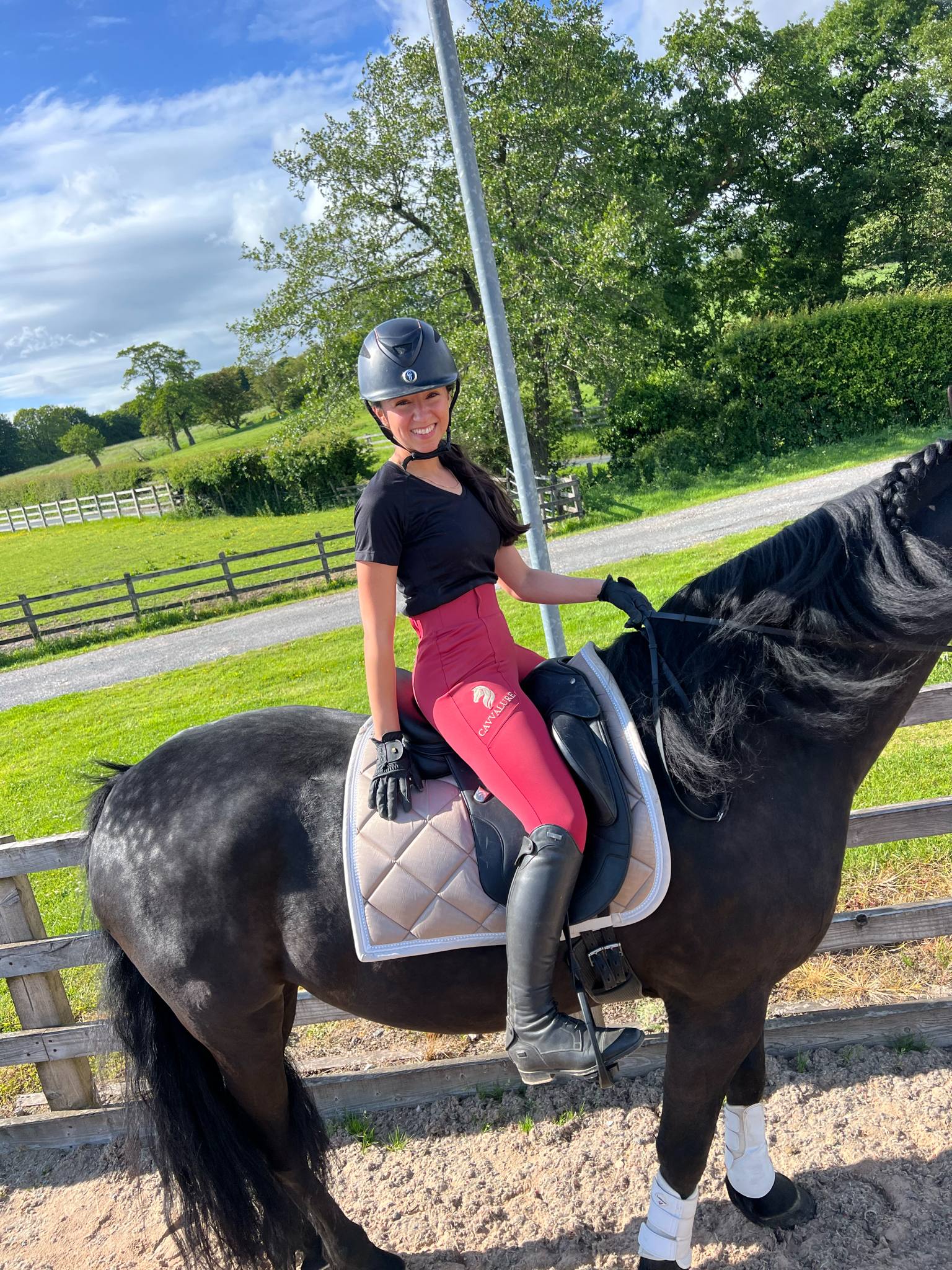
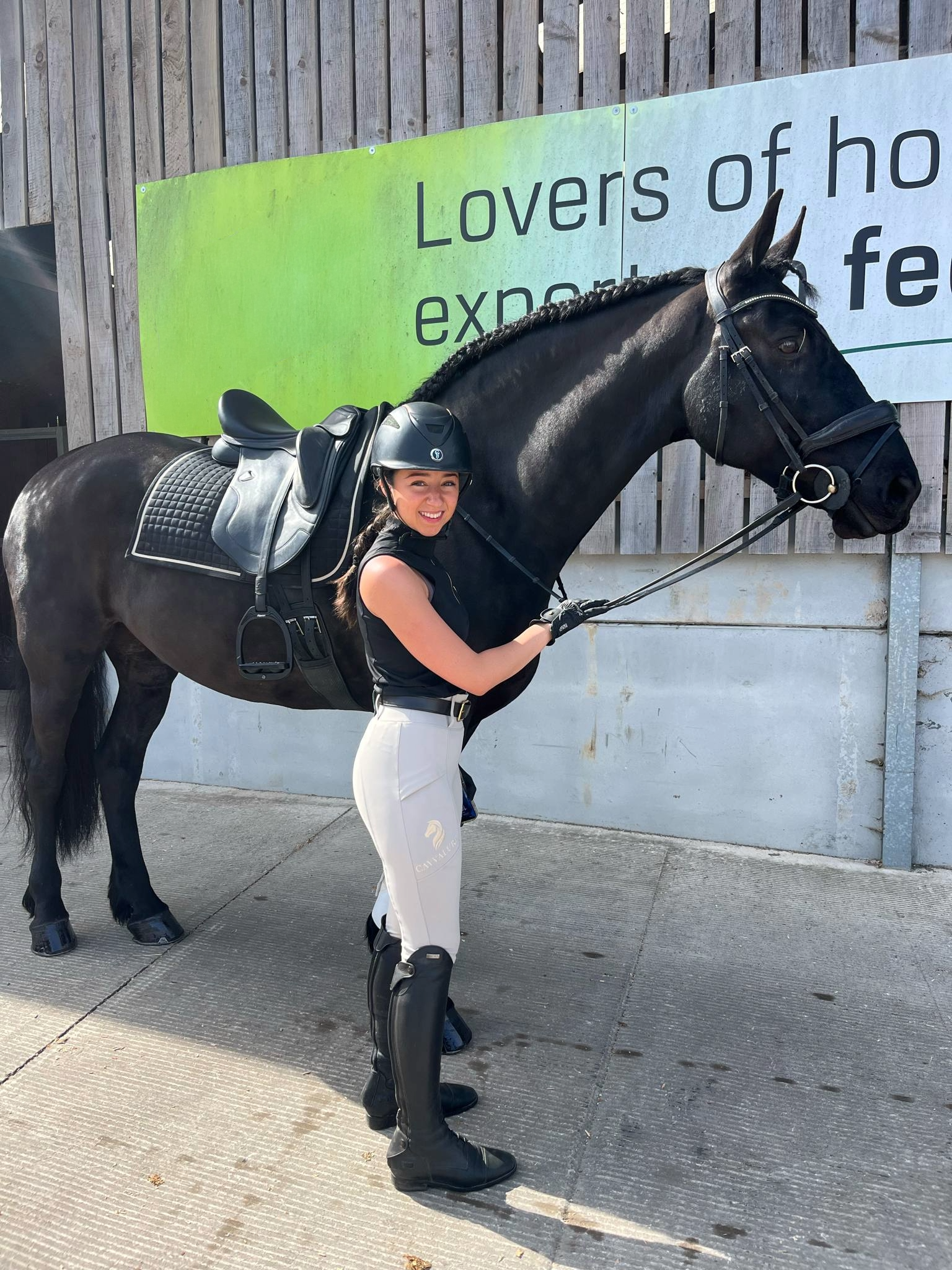
The Black himself is a magnificent embodiment of raw, untamed passion. He is described not as a domestic animal, but as a force of nature—“the slick black coat, the consistently wild, unbroken spirit.” This untameable quality is central to his allure. He is a creature of supreme elegance, but it is a wild, almost dangerous elegance, born of perfect athletic form and an indomitable spirit. His is the ultimate functional beauty—a body built for speed and a heart built for freedom. He represents the wildness and nobility that we, as equestrians, are privileged to partner with but never truly own.
Farley’s novel has, over the decades, become a cherished part of our literary heritage. It has served as a gateway for countless young readers into the world of horses, igniting a lifelong passion for the equestrian life. The story champions a quality that is not measured in pedigree papers (the Black’s origins are a mystery for much of the book) but in heart, courage, and loyalty. It tells us that a true champion is defined by their spirit—a message that resonates far beyond the racetrack.
Ultimately, The Black Stallion endures because it speaks directly to the dreamer within us. It is a story of hope, of the incredible things that can be achieved through a partnership built on love and respect. It reminds us of the foundational magic of our passion: the simple, profound joy of earning the trust of a magnificent animal and the shared, thrilling pursuit of a wild and beautiful dream. The story of Alec and the Black is a timeless ode to the unbreakable bond—a promise of the extraordinary friendship that remains the greatest prize in the equestrian world.
Sources & Further Reading
• Farley, Walter. The Black Stallion. Random House, 1941.
• The Black Stallion Literacy Project (theblackstallion.com).
• Anderson, C.W. C.W. Anderson’s Favorite Horse Stories. Macmillan, 1967.
• The Horse: A Cultural History of an Animal that Has Shaped Civilisation. Reaktion Books, 2012.